-
![]()
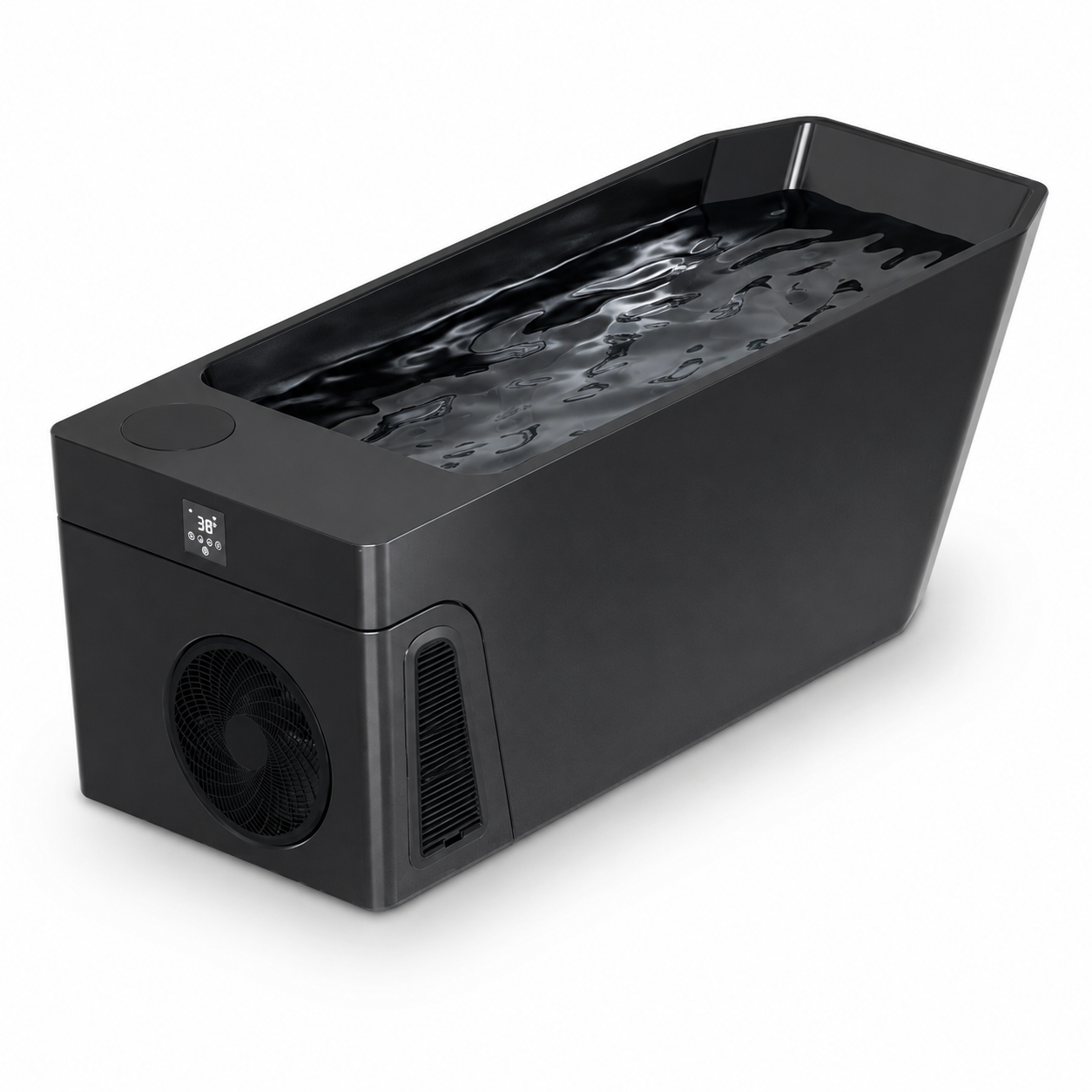
Always Cold. Always Ready.
-
![]()
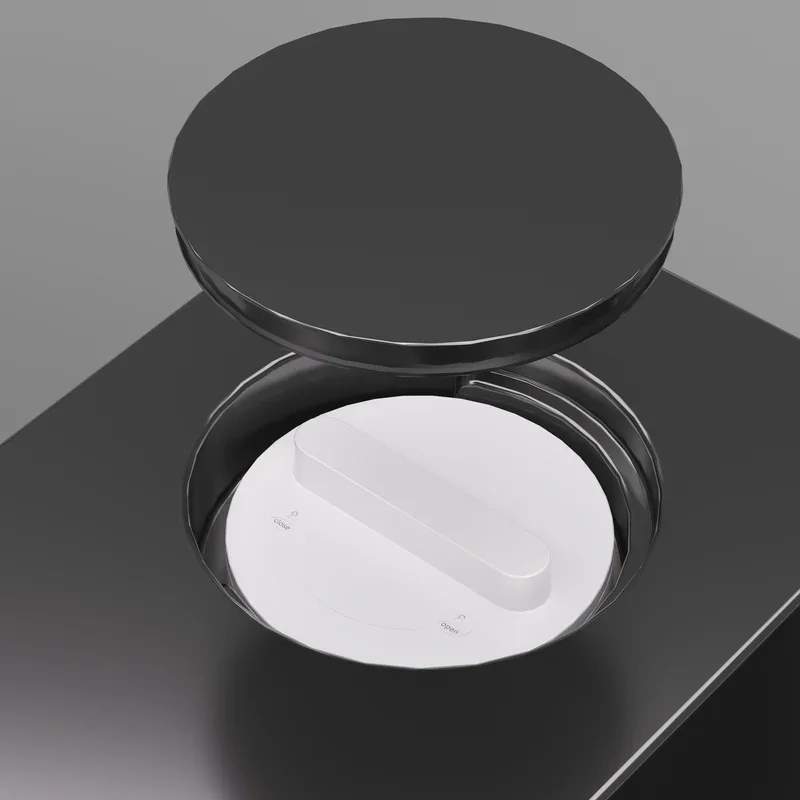
Engineered to Stay Clean.
-
![]()
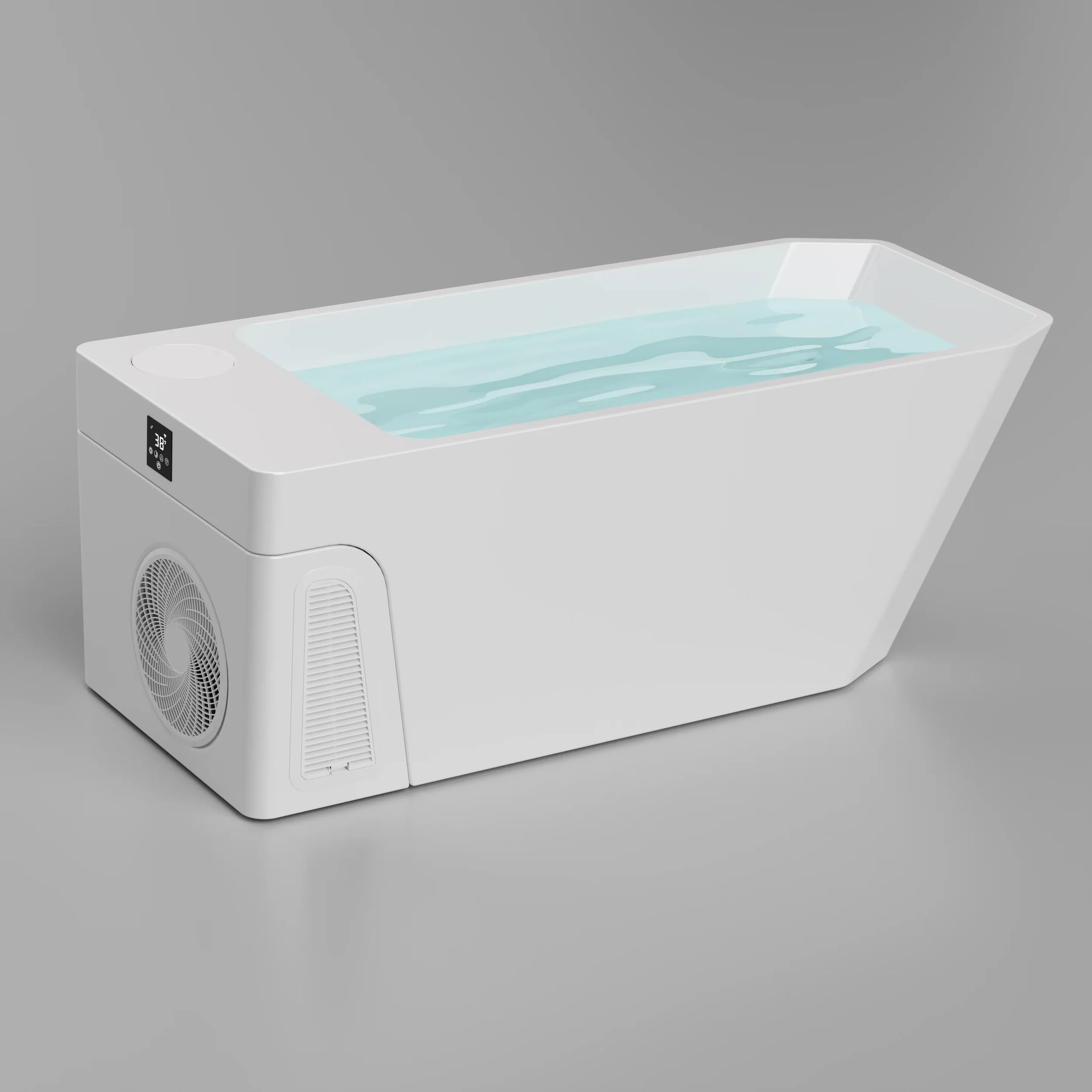
Heat Retention Without Compromise
-
![]()
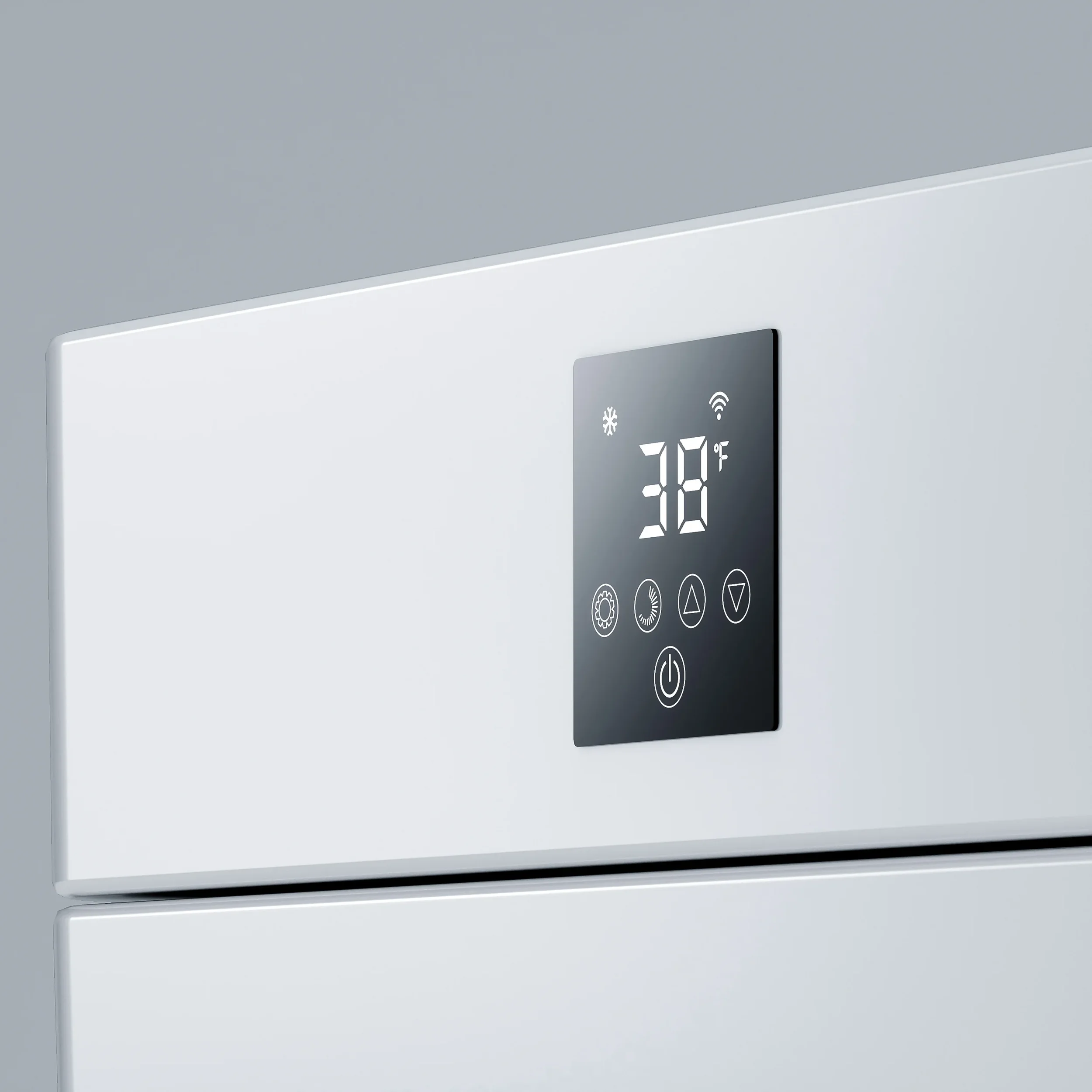
One-Touch Control.
The Science
Why Deliberate Cold Exposure Actually Works
Cold water immersion has gone from fringe Wim Hof stuff to standard practice in pro sport, special forces selection, and serious biohacker stacks. The reason is simple — it's one of the highest ROI interventions you can run. No injection. No prescription. No supplement to cycle. Just water, temperature, and time.
The protocol that's emerged from the research is tight: 10-15°C water for 11 minutes total per week, split across 2-4 sessions. That's it. Less than the time most people spend scrolling Instagram before bed, and the physiological payoff is substantial.
Here's what's actually happening when you get in.
Brown Adipose Tissue — Your Hidden Metabolic Furnace
Repeated cold exposure recruits and activates brown adipose tissue (BAT), which dissipates energy as heat via UCP1-mediated thermogenesis². In plain English: brown fat burns calories to keep you warm, and cold exposure makes you grow more of it.
Cold-acclimated individuals show measurable increases in resting metabolic rate and improved glucose disposal³. That means you're burning more calories at rest and your body is handling carbohydrates better — both things every athlete and every biohacker tracking HRV and CGM data cares about.
If you've ever wondered why elite endurance athletes and physique competitors gravitate to cold exposure, this is half the reason. The other half is next.
Recovery and Inflammation — But Timing Matters
Post-exercise cold water immersion reduces delayed-onset muscle soreness, perceived fatigue, and circulating inflammatory markers like IL-6 and CRP⁴. This is well-replicated. It's why every NBA, NFL, and Premier League facility has cold plunges in the recovery room.
But here's the catch most people don't know: cold immersion within 4-6 hours of resistance training can blunt hypertrophic adaptation. The same inflammatory response you're trying to kill is partly what signals muscle growth.
So the protocol matters:
Hypertrophy goals: cold plunge on rest days, or first thing in the morning before training
Endurance / recovery / tournament play: post-session is fine and beneficial
General health / mood / metabolism: any time, daily if you want
This is the kind of detail that separates people who actually understand the tool from people who saw a Huberman clip and bought a chest freezer.
Catecholamine Release — The Real Reason You Feel Like a Different Human After
Submersion in water below 15°C triggers a 200-300% increase in plasma norepinephrine and a 530% increase in dopamine, with elevations lasting hours post-exposure¹.
Read that again. Five hundred and thirty percent.
For context, that's a dopamine response comparable to substances of abuse — except instead of the crash that follows recreational dopamine, cold exposure produces a sustained baseline elevation. You don't come down. You walk around for the rest of the day with sharpened focus, elevated mood, and the kind of mental clarity most people are paying $400/month in nootropics to chase.
This is why guys who run cold exposure consistently describe it as antidepressant-tier. Because mechanistically, it kind of is. You're forcing your CNS into a controlled stress response that the body adapts to by upregulating the exact neurotransmitters that govern drive, focus, and mood.
Vagal Tone and Stress Resilience
Voluntary cold exposure trains the parasympathetic nervous system under controlled stress. You're essentially doing reps for your nervous system — teaching it to stay calm while your body is screaming.
Regular practitioners show improved heart rate variability and a blunted cortisol response to subsequent stressors⁵. Translation: you handle stress better. The argument with your partner, the deadline at work, the moment in the squat rack when the bar is loaded heavier than you've ever pulled — your nervous system doesn't redline as easily.
For anyone tracking HRV through a Whoop, Oura, or Garmin, this is one of the few interventions that produces visible, sustained improvement in the data within 3-4 weeks.
Why Temperature Precision Is the Spec That Actually Matters
This is where most cold plunges fall apart, and why we built the Monolith the way we did.
The dose-response curve for cold exposure is non-linear. The sweet spot is 10-15°C. Below 10°C, marginal returns diminish quickly while cold-shock response and arrhythmia risk rise sharply. Above 15°C, you're not getting the catecholamine response that drives most of the benefit.
A chest freezer hack? Swings 4-6°C between cycles. One session you're at 8°C and on the edge of cold-shock. The next you're at 14°C wondering why you don't feel anything.
A cheap plunge with a basic chiller? Most hold ±2°C at best, and the temperature drifts as ambient conditions change.
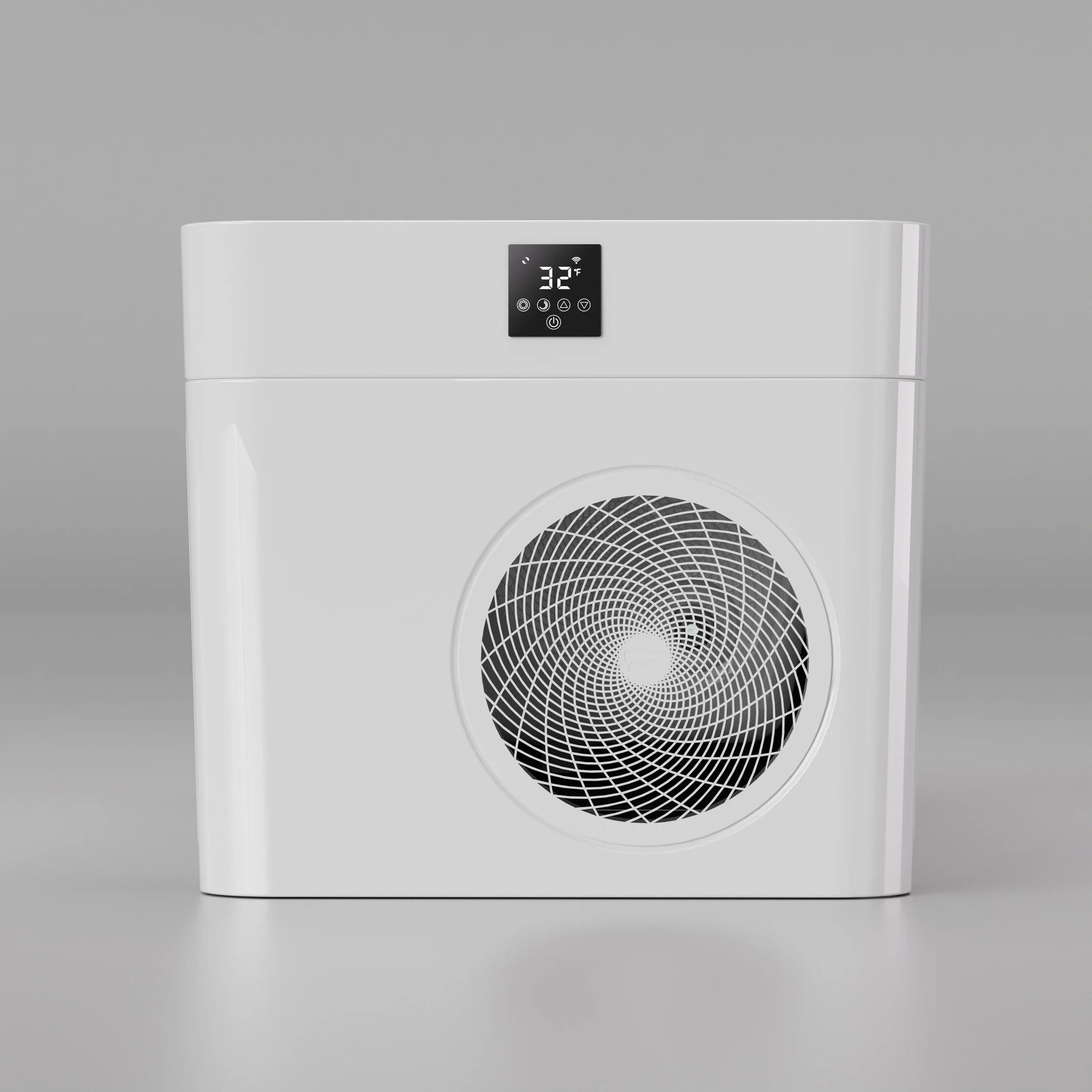
The Monolith holds your set temperature within ±0.5°C, every session, regardless of ambient temperature, regardless of how long you've been in. You dial in 12°C and you get 12°C — first session, hundredth session, summer or winter.
That's not a vanity spec. It's the difference between a controlled, repeatable stimulus your body can adapt to and a random cold dunk that produces inconsistent results.
If you're going to spend the money, spend it on the variable that actually drives the outcome. Temperature control is that variable.
The Monolith is built for people who take this seriously — athletes who need recovery dialled to the degree, biohackers who track everything and want a clean signal in their data, and anyone who's done the cheap version and is now ready for the real thing.

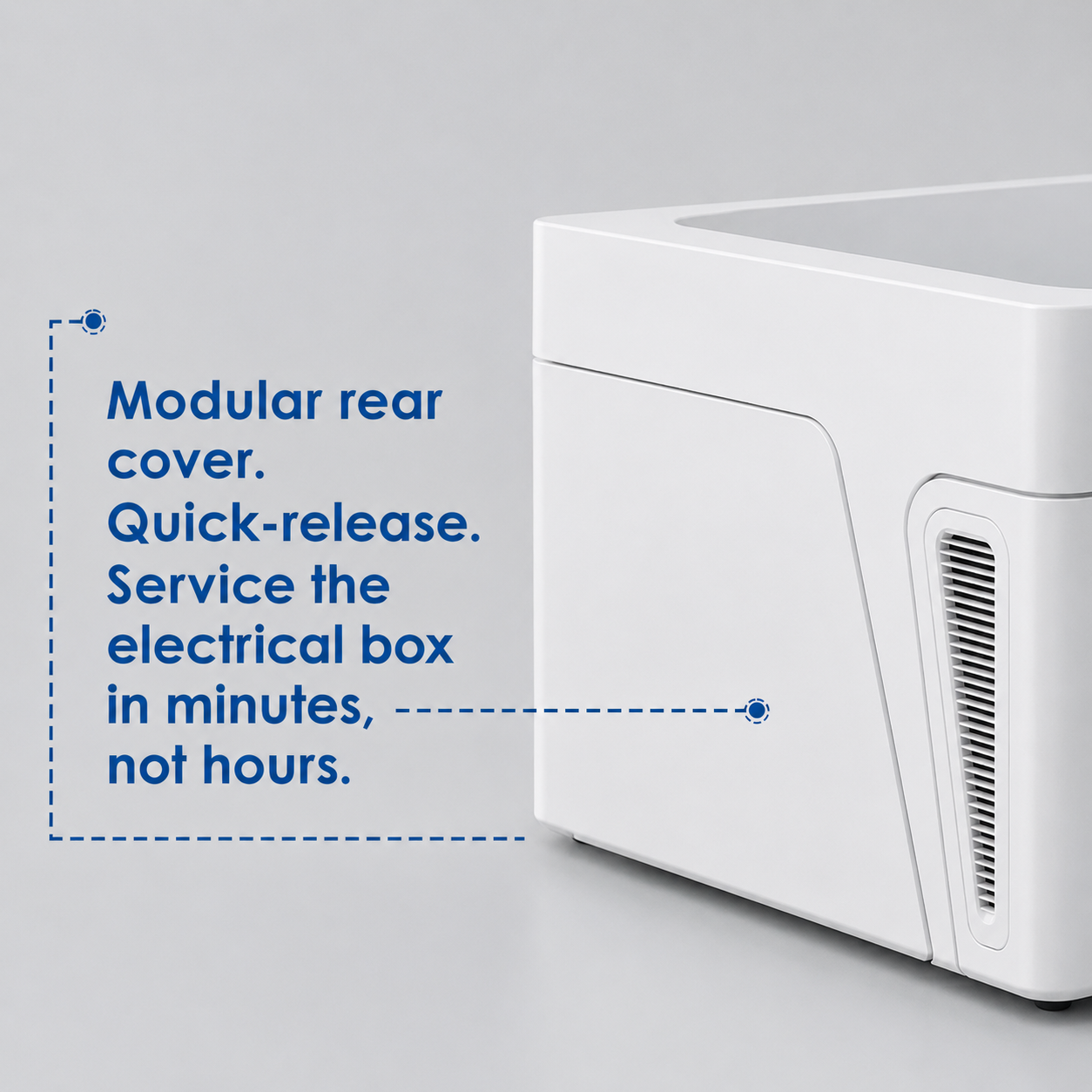
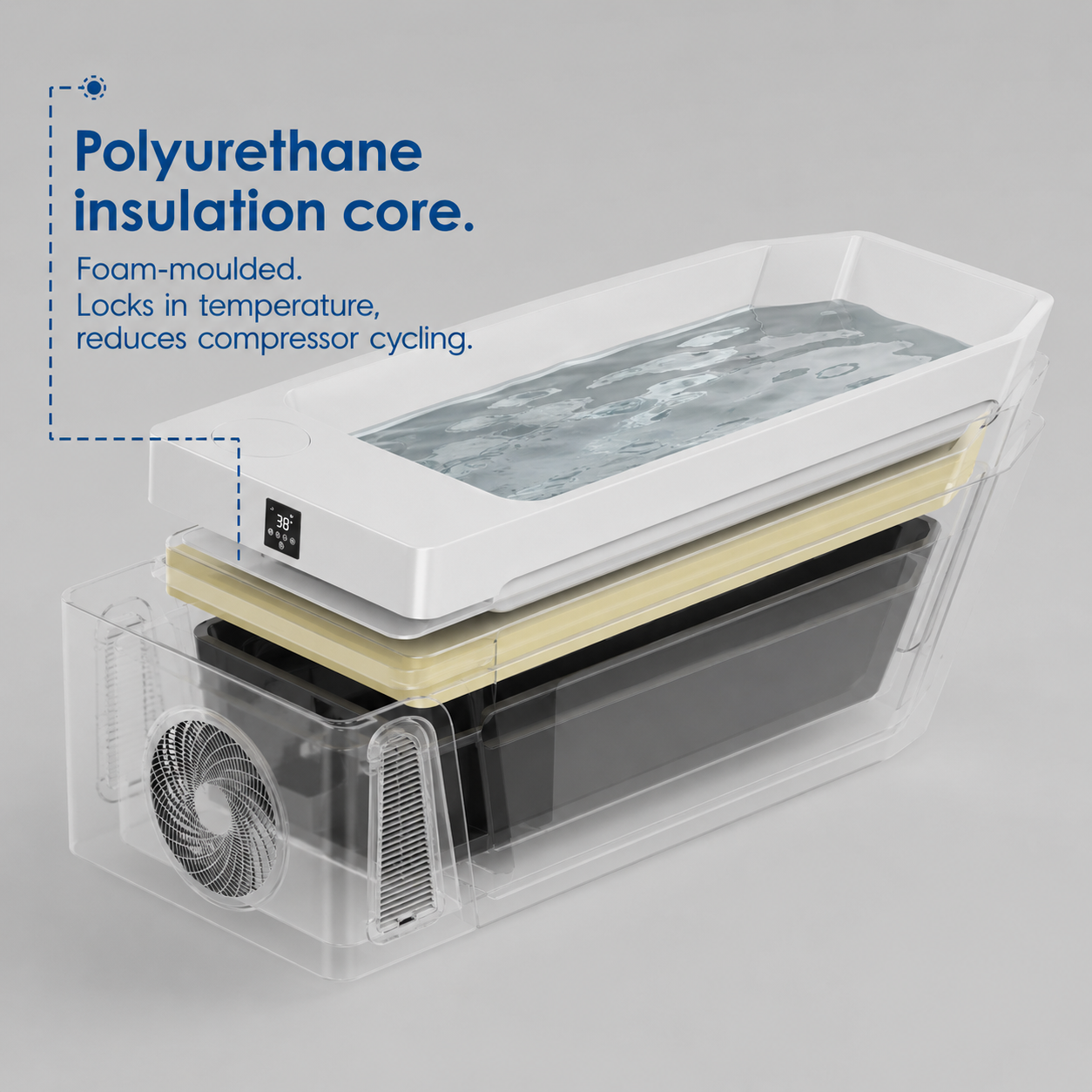
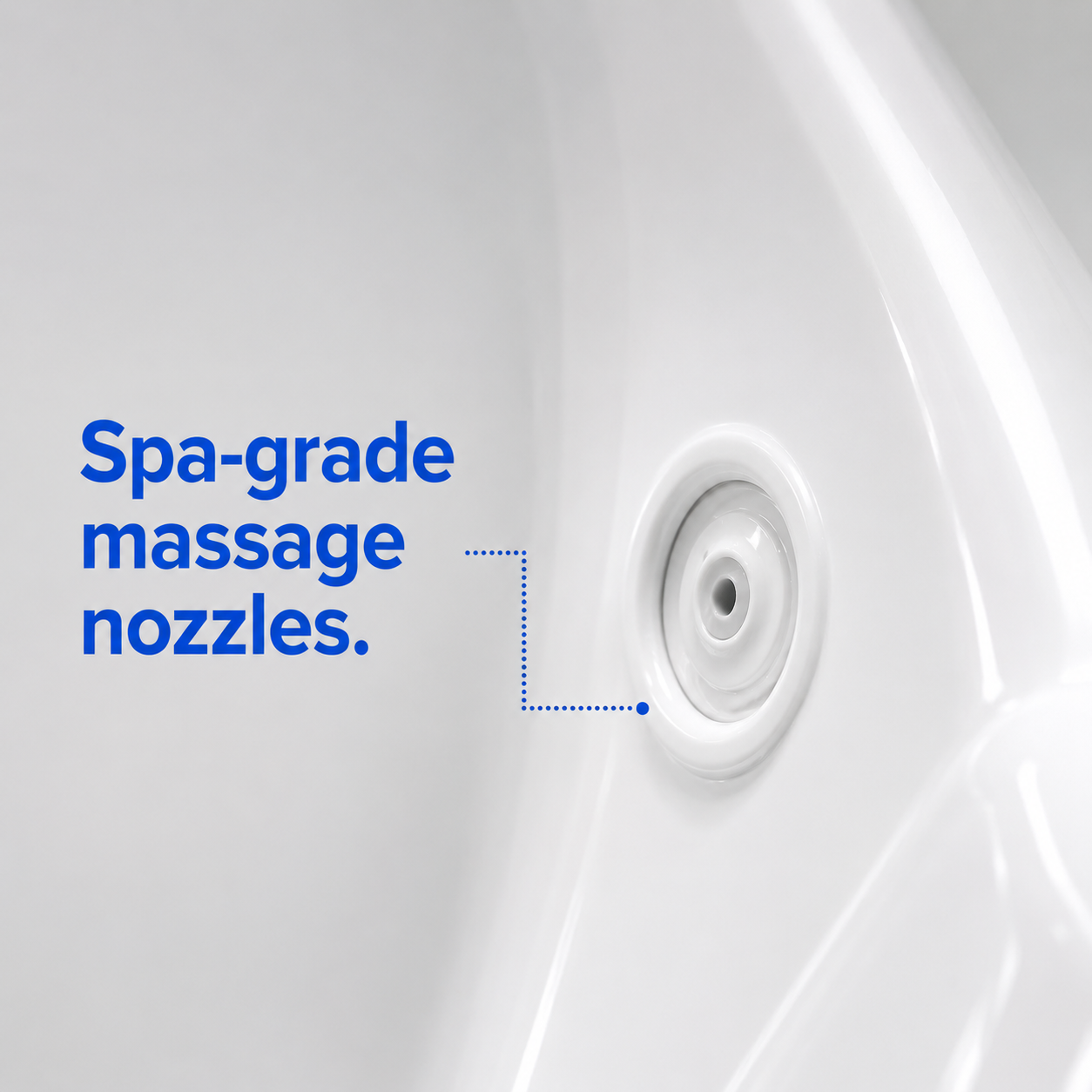
Specifications
| Horsepower | 1 HP |
| Cooling capacity | 3 kW |
| Heating capacity | 1 kW |
| Cooling time | 300L, 20°C → 3°C in 3.5 hours (ambient 25°C) |
| Temperature range | 0°C – 40°C |
| Min. operating ambient | -10°C |
| Water pump | DC 150W, detachable |
| Filtration | 2-stage, 7.7" × 4.5", 20 micron / 40 mesh |
| Sterilisation | Ozone |
| Noise level | 50 dB |
| Power | 1.19 kW |
| Waterproof rating | IPX5 |
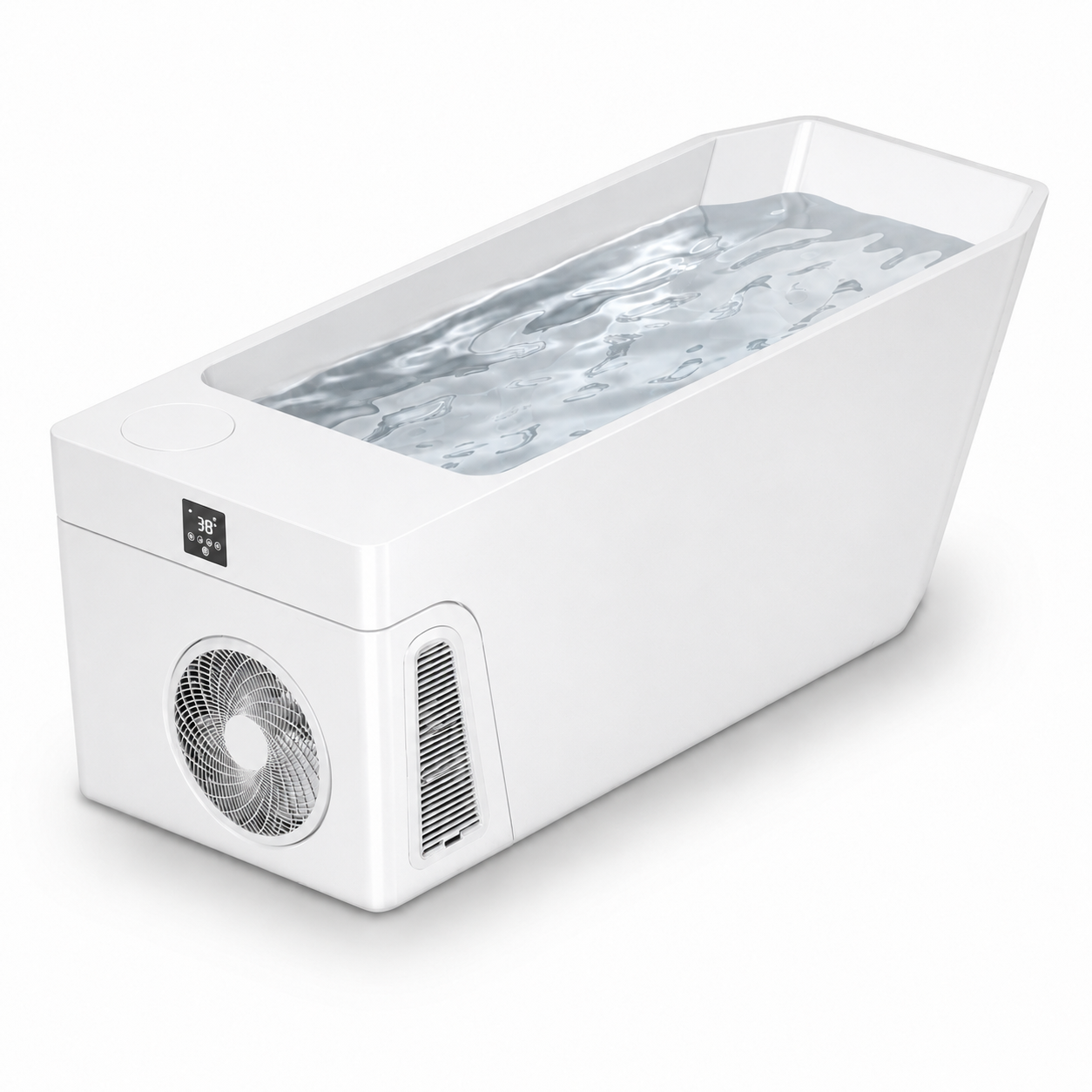
| Dimensions (L × W × H) | 1950 × 800 × 710 mm |
| Weight | 113 kg |
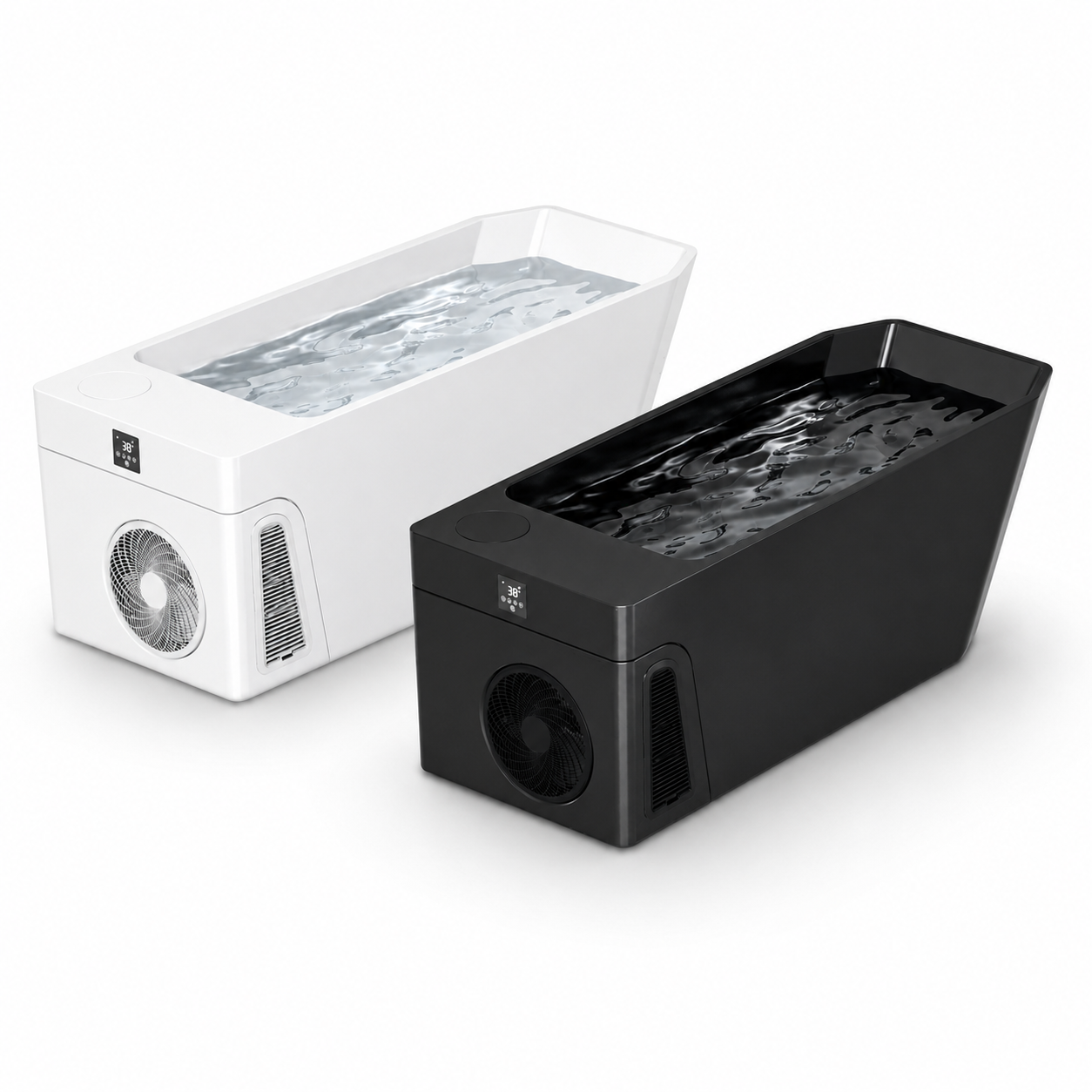
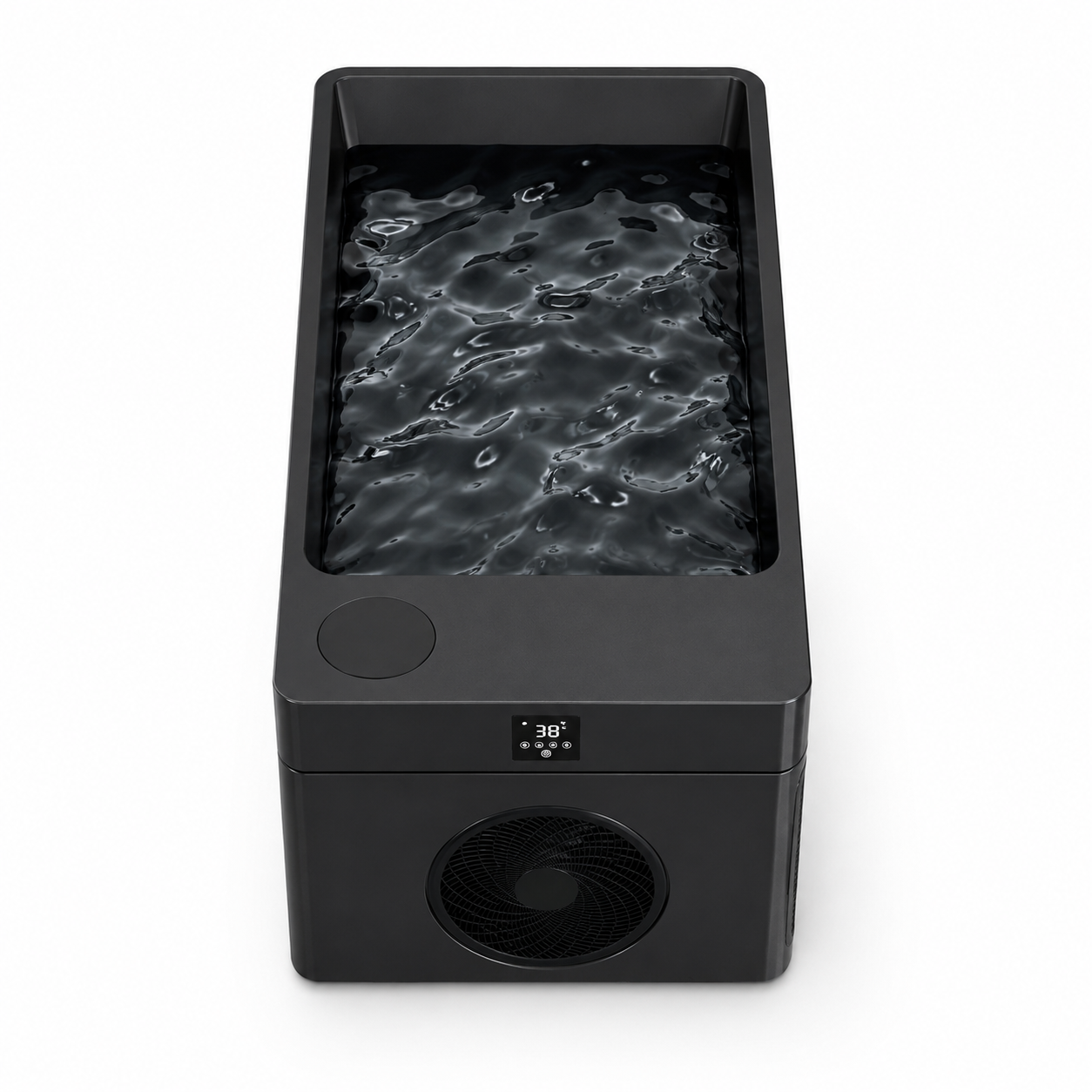
| Colours | Onyx, Arctic |
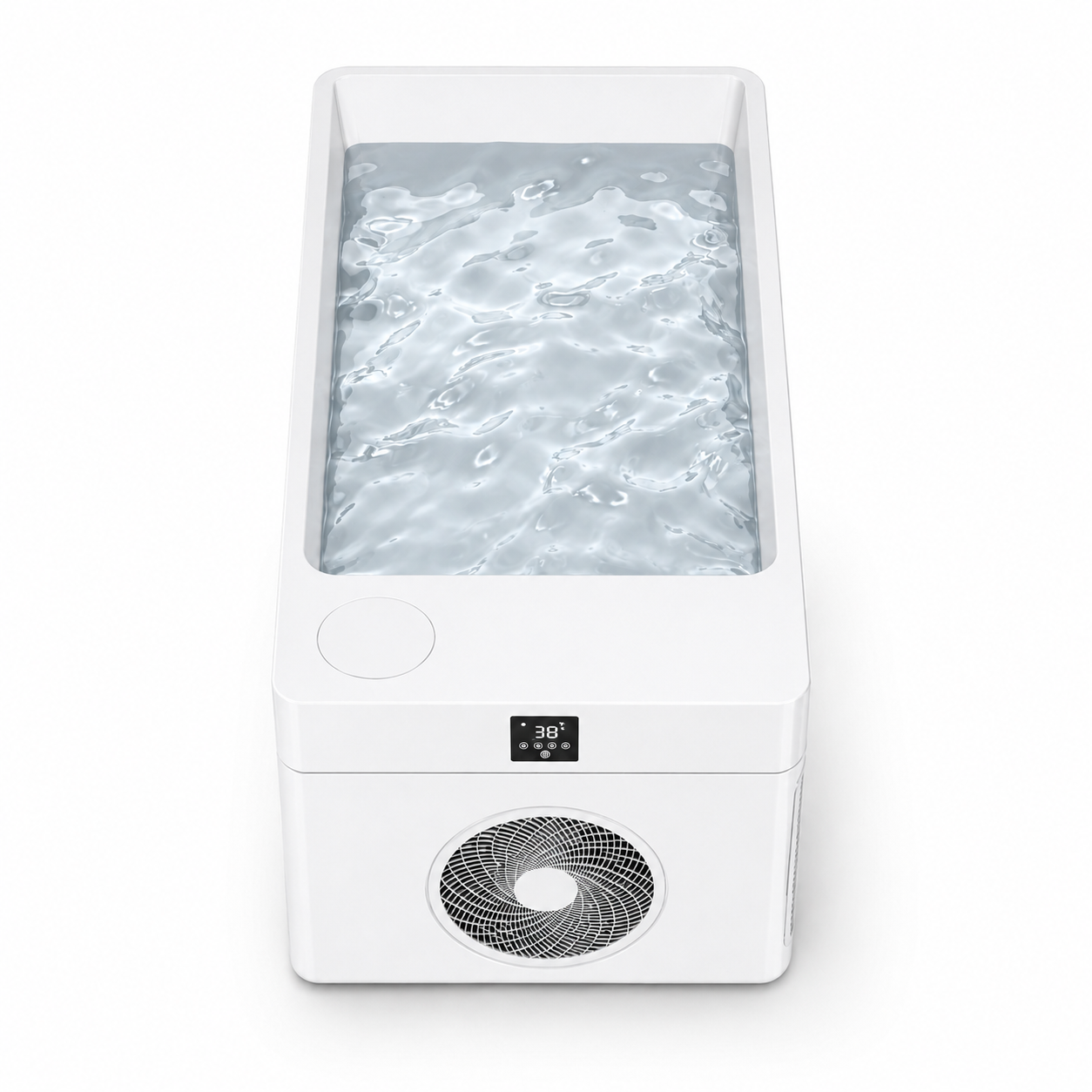
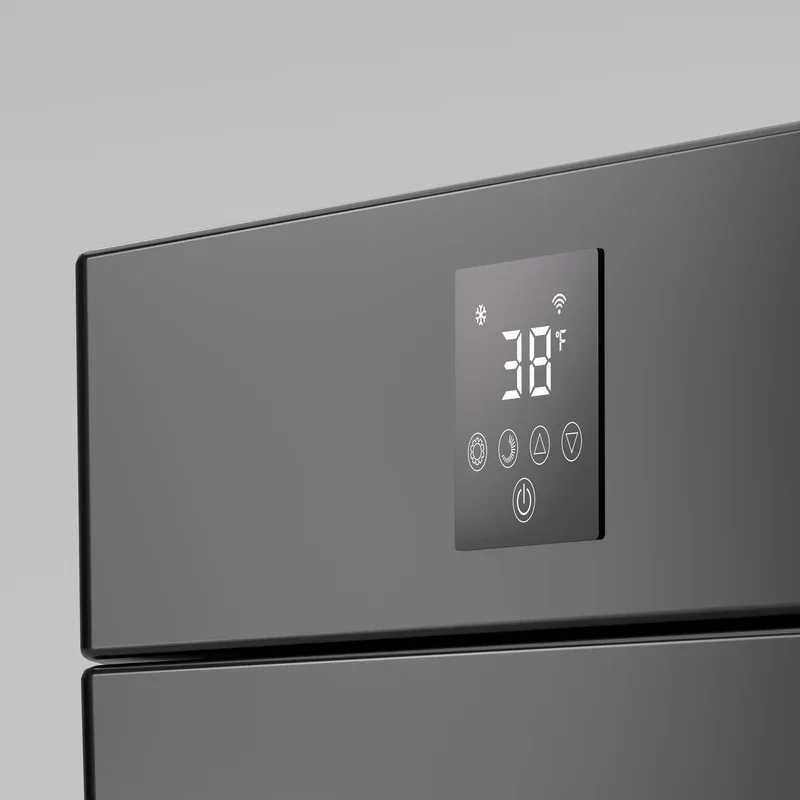
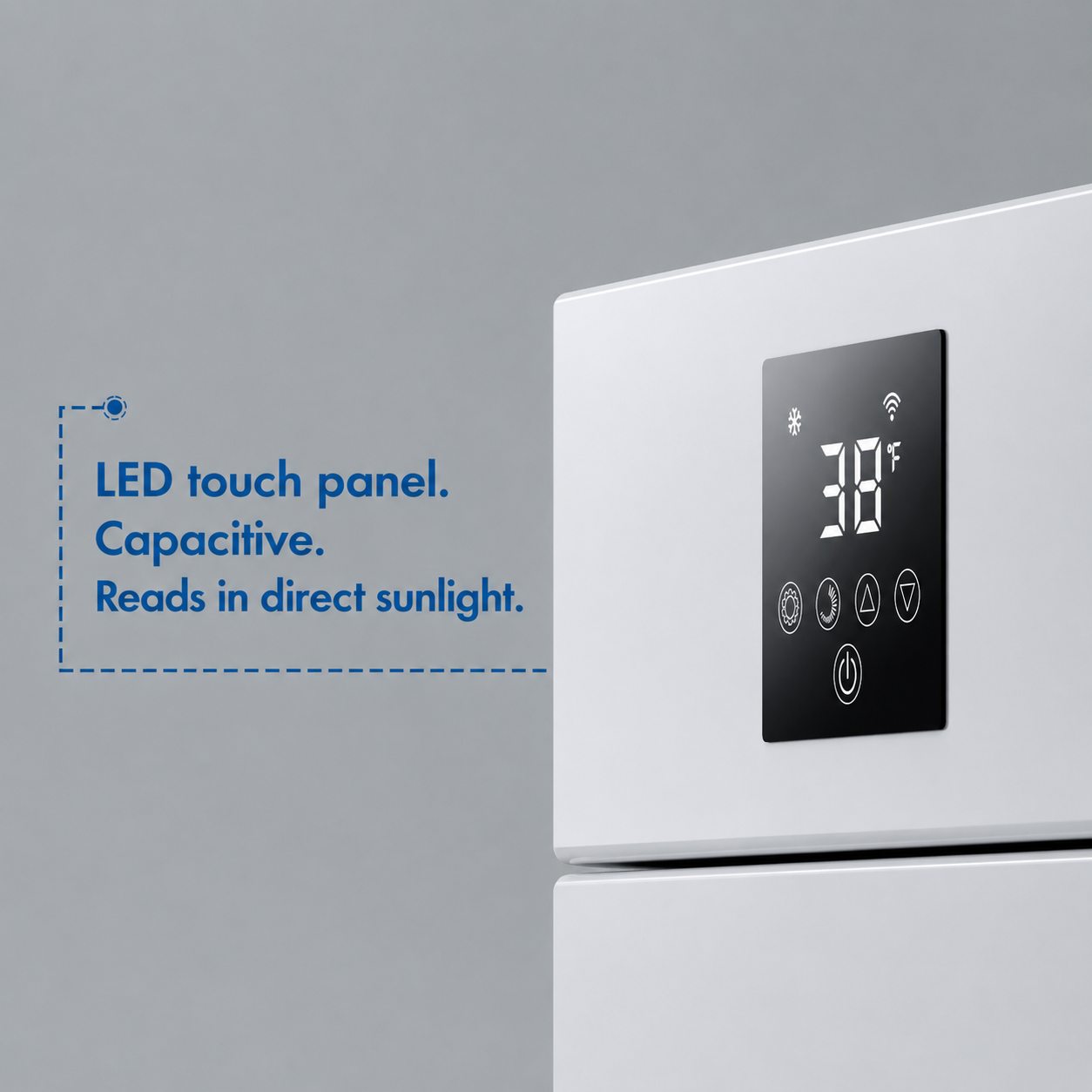
| Control | LED touch panel, WiFi app |
| Connectivity | 2.4GHz WiFi |
Frequently Asked Questions
-
The Monolith is a fully self-contained cold plunge unit — chiller and tub built as one. There is no ice to buy, no temperature guessing, and no setup beyond plugging it in. It maintains your exact target temperature for the full duration of every session, meaning every plunge is consistent, measurable, and replicable. That consistency is what the science is actually built on.or scaling something bigger. Everything is tailored to help you move forward with clarity and confidence.
-
Peer-reviewed research identifies 10–15°C as the optimal range for dopamine elevation, nervous system adaptation, and recovery benefit. Start at 15°C if you are new to cold immersion and work down as your tolerance builds. The Monolith gives you precise digital control so you are never guessing what stimulus you are applying to your body.
-
Cool-down time depends on the starting water temperature and ambient conditions. For best results, allow the unit to pre-cool before your session. Once at temperature, the Monolith holds it there for as long as you need.
-
Via the digital display directly on the unit or through the app. Set your target, and the Monolith does the rest. No manual adjustment mid-session, no checking ice levels, no variables you are not in control of.
-
Confirm exact dimensions with us before purchasing if space is a consideration. The Monolith is designed to fit within a standard bathroom, garage, or covered outdoor area. It requires a standard power outlet and adequate drainage access for water changes.
-
Regular water changes and basic sanitation are recommended to keep the unit performing at its best. We recommend using a small amount of approved sanitiser and changing the water every four to eight weeks depending on frequency of use. Full maintenance guidelines are included with every unit.